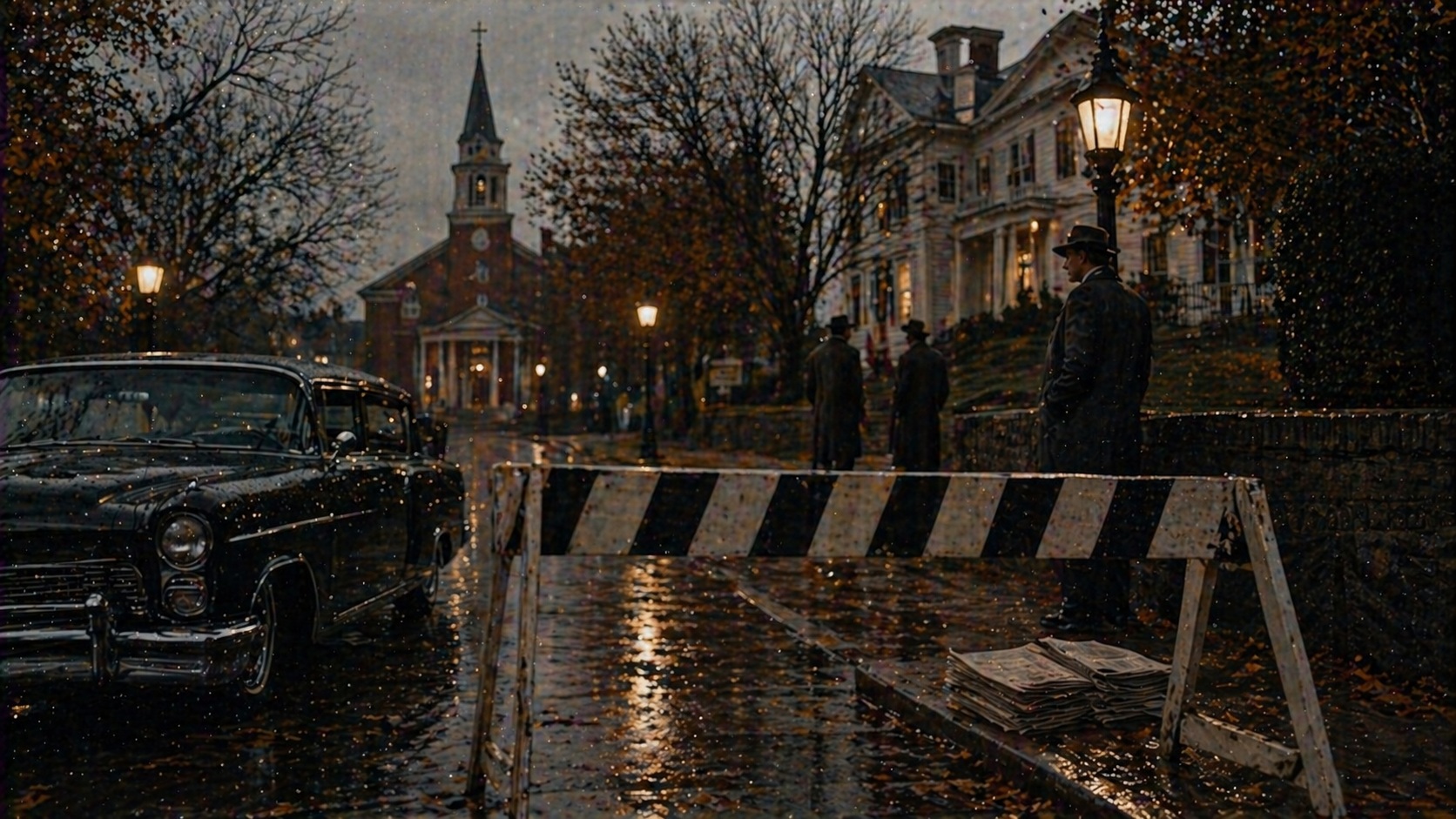
Attempted Assassination of John F. Kennedy
Richard Pavlick planned to kill President-elect Kennedy with explosives but did not carry out the attack.
Ask Dr. Whitmore about this eventBackground
At the time, John F. Kennedy was listed as president-elect. The record is categorized as attempted assassination with a high confidence level.
Event details
The reported method was car bomb plot. Failed; attacker abandoned plan and was later arrested.
Aftermath
Pavlick had loaded his car with dynamite and planned to crash it into Kennedy's vehicle, but held off when he saw Jacqueline Kennedy and the children come out to see JFK off, later saying he did not want to harm the family. He continued surveilling Kennedy over subsequent days but was arrested by Palm Beach police after a postal inspector tipped off the Secret Service. His car still contained the wired explosive. He was found mentally incompetent to stand trial and committed to a federal mental institution; he was later deemed competent, pleaded guilty in 1966, and received a suspended sentence. The incident prompted significant security reviews ahead of Kennedy's inauguration and highlighted gaps in intelligence sharing between local and federal agencies.
Historical significance
The Pavlick plot is a striking example of how a would-be assassin's personal restraint—Pavlick's decision to spare Kennedy's family—can be the only thing standing between a political figure and death. Had the attack succeeded it would have prevented one of the most consequential presidencies in American history before it began, along with Kennedy's roles in the Cuban Missile Crisis, the Nuclear Test Ban Treaty, and the early Civil Rights movement. The case revealed alarming gaps in the coordination between local law enforcement and federal intelligence: a postal inspector's tip about Pavlick's threatening letters, passed to the Secret Service, was what ultimately led to his arrest. The episode reinforced the argument that threat intelligence must be rapidly centralized and acted upon.
Sources
- Richard Paul Pavlick — Wikipedia contributors
- List of United States presidential assassination attempts and plots — Wikipedia contributors
Related events
Attempted Assassination of Harry S. Truman
Two Puerto Rican nationalists attacked Blair House while Truman was staying there.
Plot Against John F. Kennedy
A reported Chicago plot against Kennedy shortly before Dallas remains debated but is often included among suspected plots.
Assassination of John F. Kennedy
Kennedy was fatally shot during a Dallas motorcade.