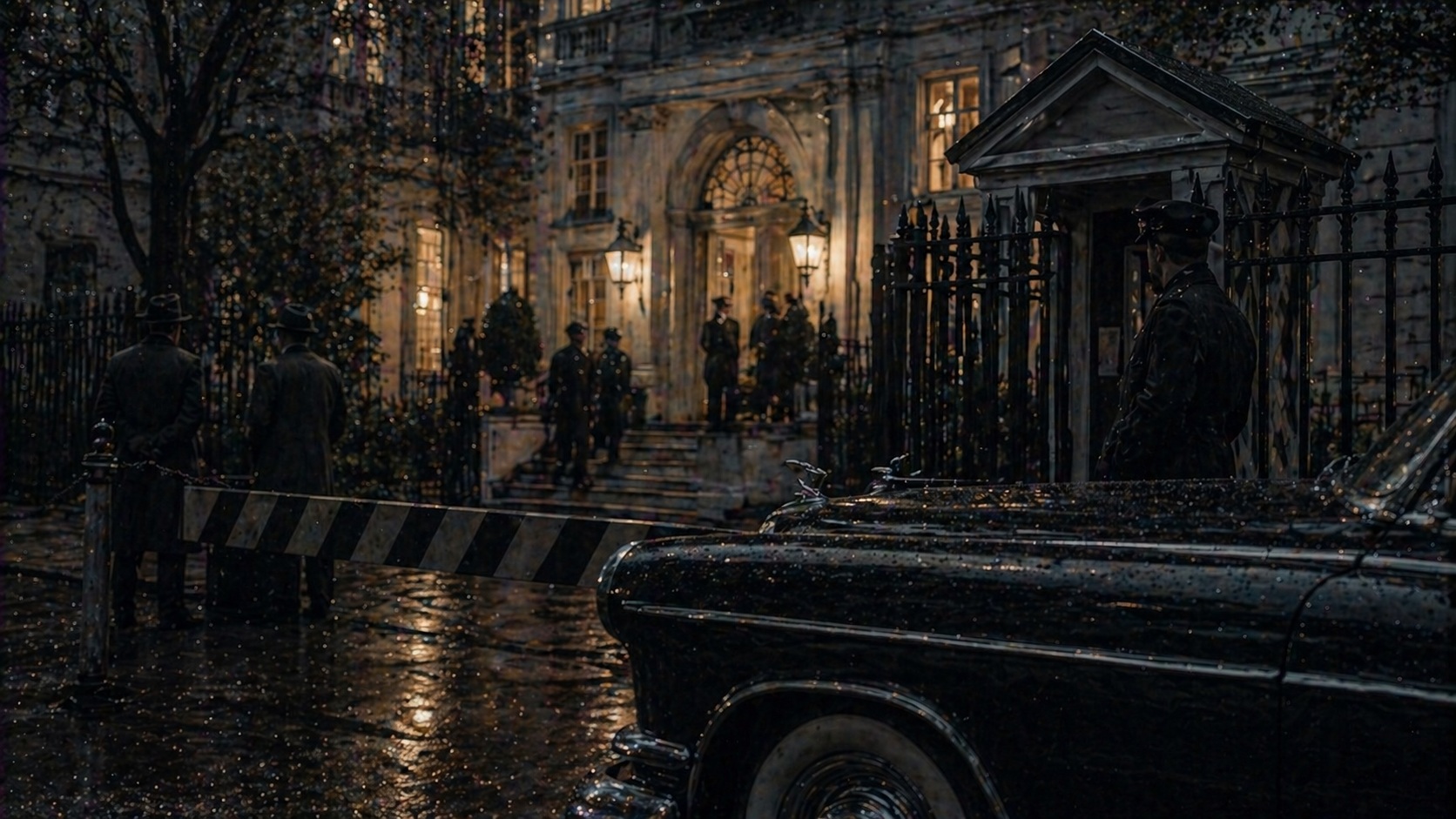
Attempted Assassination of Harry S. Truman
Two Puerto Rican nationalists attacked Blair House while Truman was staying there.
Ask Dr. Whitmore about this eventBackground
At the time, Harry S. Truman was listed as sitting president. The record is categorized as attempted assassination with a high confidence level.
Event details
The reported method was armed assault. Failed; attack stopped after gun battle.
Aftermath
Truman was unharmed, resting upstairs at Blair House; he reportedly looked out a window during the gun battle. White House police officer Leslie Coffelt was mortally wounded but managed to shoot and kill Griselio Torresola before dying—one of the most celebrated acts of protective heroism in the history of presidential security. Officers Joseph Downs and Donald Birdzell were also wounded; Oscar Collazo was shot and arrested. Collazo was tried, convicted of murder and first-degree assault, and sentenced to death; Truman personally commuted his sentence to life imprisonment in 1952, and President Carter later commuted it further, leading to Collazo's release in 1979. The attack intensified presidential security protocols and drew international attention to the Puerto Rican independence movement.
Historical significance
The Blair House attack brought the Puerto Rican independence movement onto the front pages of American newspapers for the first time, forcing a national conversation about the political status of the island territory. Officer Leslie Coffelt's heroism—mortally wounded but managing to kill one of the attackers before dying—became one of the most celebrated acts of sacrifice in Secret Service history and his name was given to a gatehouse at the White House grounds. The attack exposed serious vulnerabilities in the security of Blair House, then serving as the presidential residence during White House renovations, leading to major physical security upgrades. Truman's commutation of Oscar Collazo's death sentence, motivated by Truman's personal opposition to capital punishment, was one of the most controversial acts of presidential clemency in mid-century American history.
Sources
- Blair House assassination attempt — Wikipedia contributors
- List of United States presidential assassination attempts and plots — Wikipedia contributors
Related events
Attempted Assassination of John F. Kennedy
Richard Pavlick planned to kill President-elect Kennedy with explosives but did not carry out the attack.
Plot Against John F. Kennedy
A reported Chicago plot against Kennedy shortly before Dallas remains debated but is often included among suspected plots.
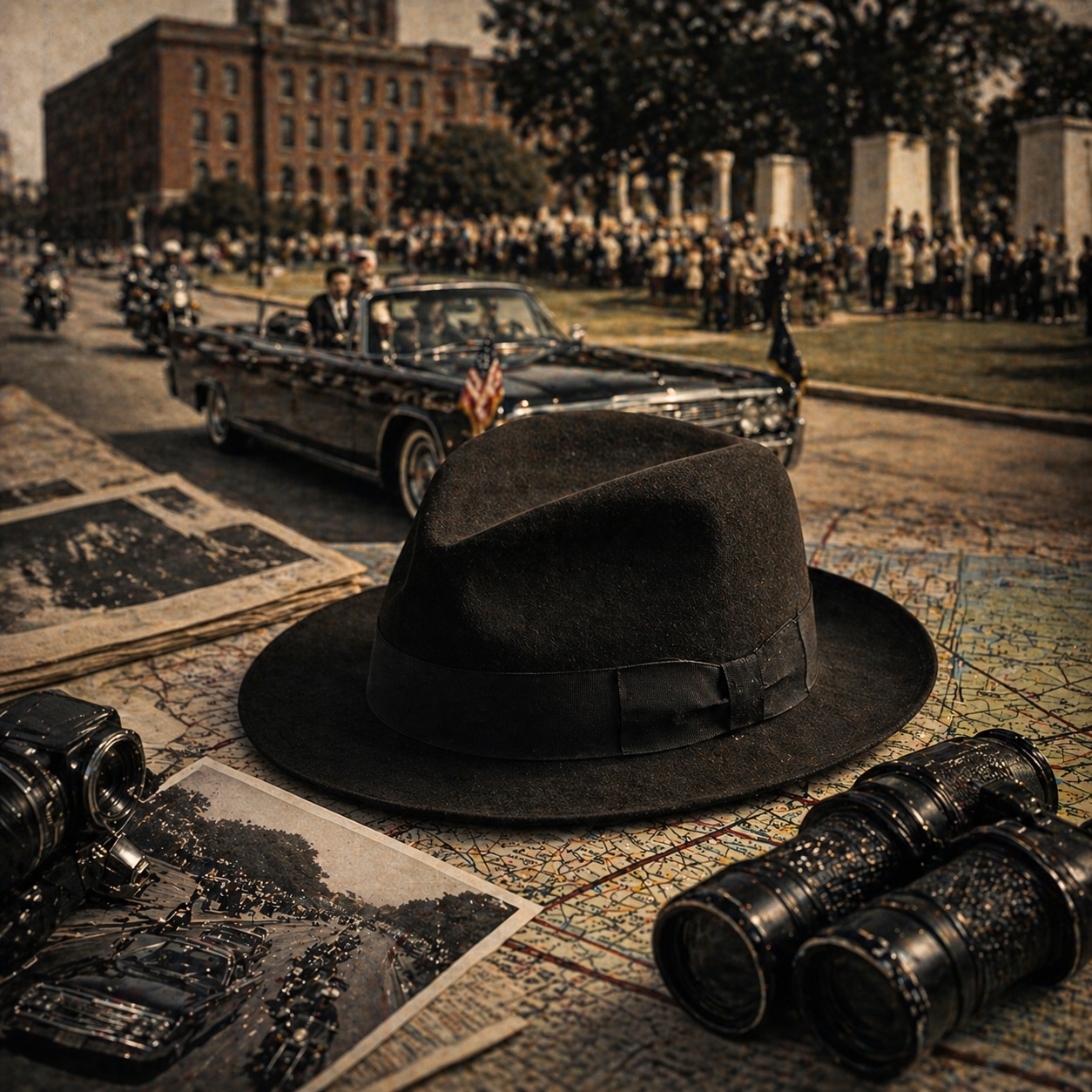
Assassination of John F. Kennedy
Kennedy was fatally shot during a Dallas motorcade.