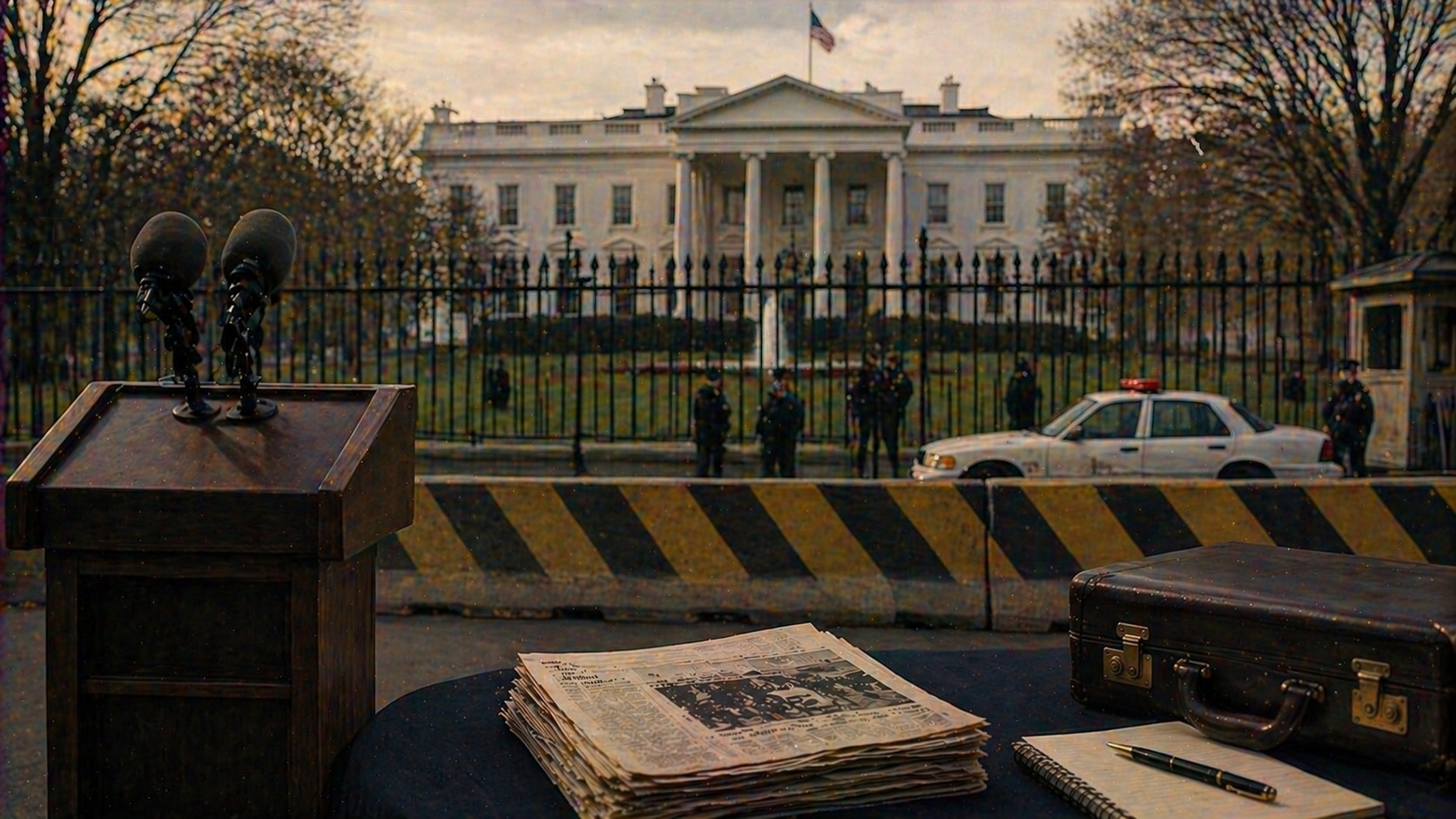
Attempted Assassination of George W. Bush
Robert Pickett fired shots at the White House while the president was inside; he was subdued by Secret Service after a standoff.
Ask Dr. Whitmore about this eventBackground
At the time, George W. Bush was listed as sitting president. The record is categorized as attempted assassination with a high confidence level.
Event details
The reported method was shooting. Failed; assailant shot in the knee by Secret Service and apprehended.
Aftermath
Pickett, a former IRS employee who believed he had been wrongfully dismissed from federal service, fired several shots with a handgun outside the White House fence before being shot in the knee by a Secret Service agent and apprehended. Bush was inside the White House and was unharmed; he continued his scheduled meetings without interruption. Pickett was hospitalized and then placed in federal custody; he stated he had gone to the White House to confront the president over the government's treatment of him. He was initially found mentally unfit to stand trial, and after treatment, pleaded guilty to threatening the president and was sentenced to three years in federal prison. The incident reinforced ongoing concerns about lone-actor threats and the adequacy of perimeter security around the White House complex.
Historical significance
The Pickett shooting is an early and underappreciated example of the 'grievance-driven lone actor' threat profile that has become one of the central concerns of presidential security in the 21st century. Pickett's motive—personal grievance against the federal government rather than political ideology—fits a pattern that threat assessment professionals now recognize as statistically more common than ideologically motivated attacks. The incident occurred just seven weeks after Bush's inauguration, emphasizing that the threat environment for a new president is often underestimated in its early months. It also reinforced the value of maintaining robust perimeter security around the White House against individuals approaching without an organized support network.
Sources
- Robert Pickett White House shooting — Wikipedia contributors
- List of United States presidential assassination attempts and plots — Wikipedia contributors
Related events
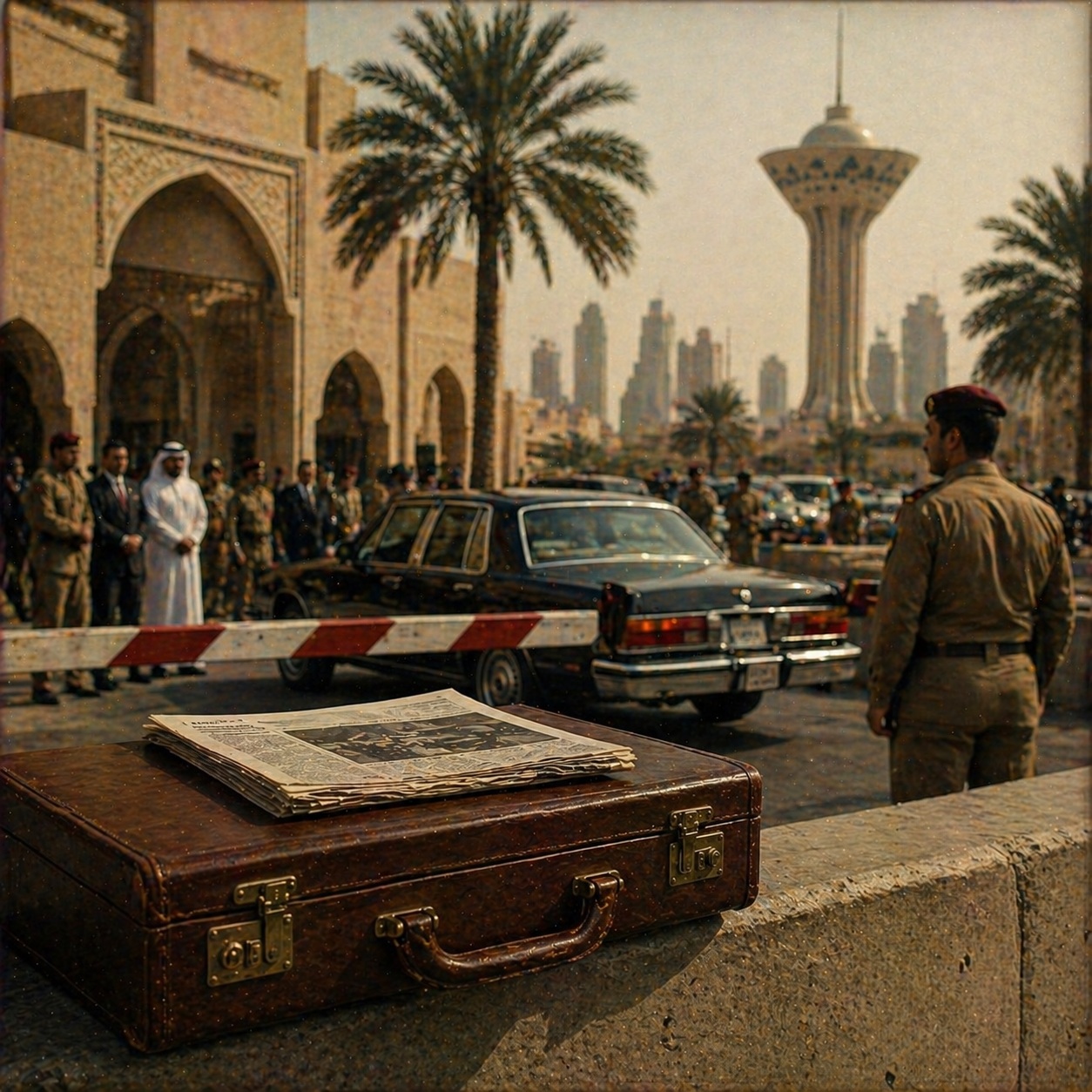
Plot Against George H. W. Bush
A plot to kill former President George H. W. Bush during a Kuwait visit was attributed by the U.S. to Iraqi intelligence.
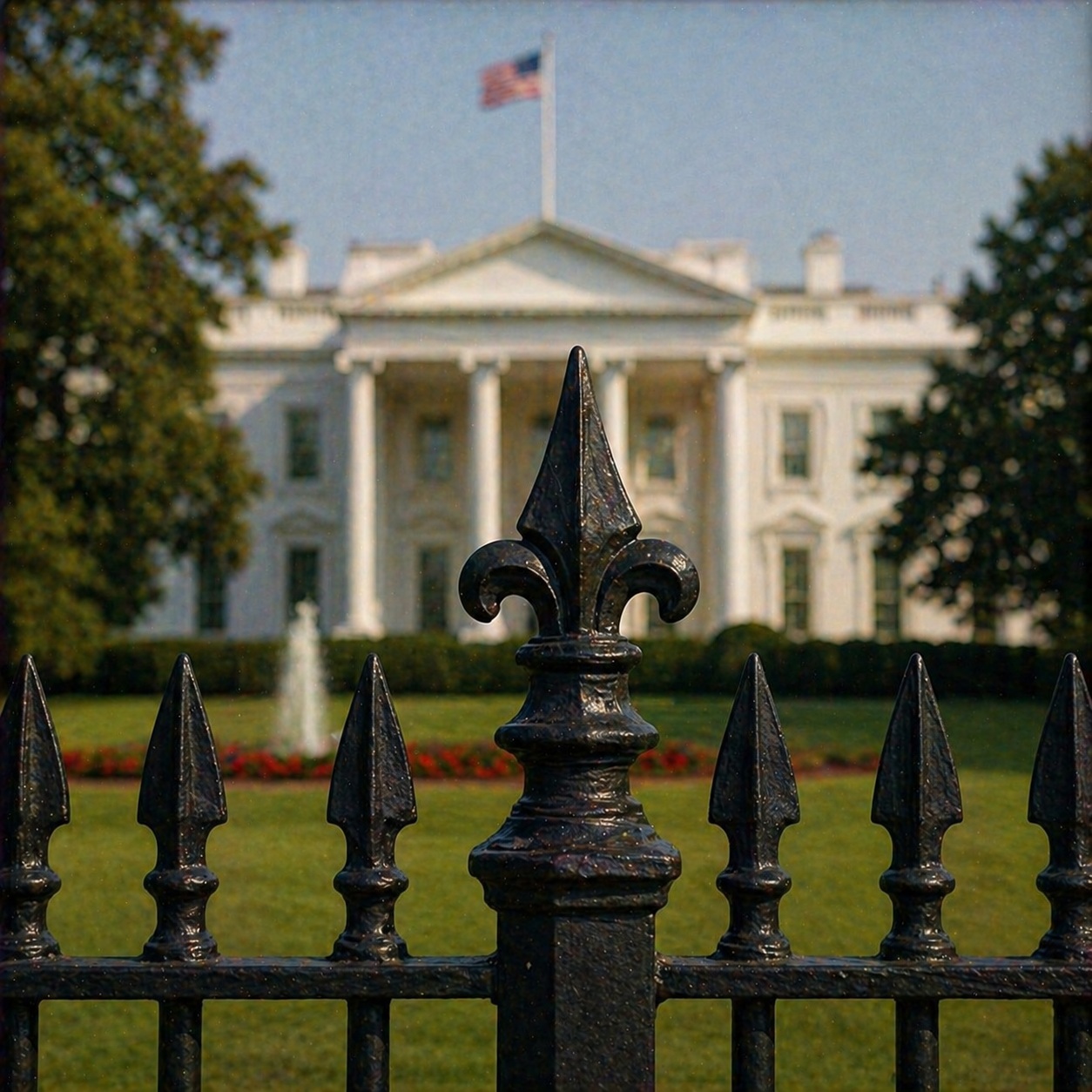
Security Incident Involving Bill Clinton
Corder crashed a small plane onto the White House grounds; his intent remains unclear.
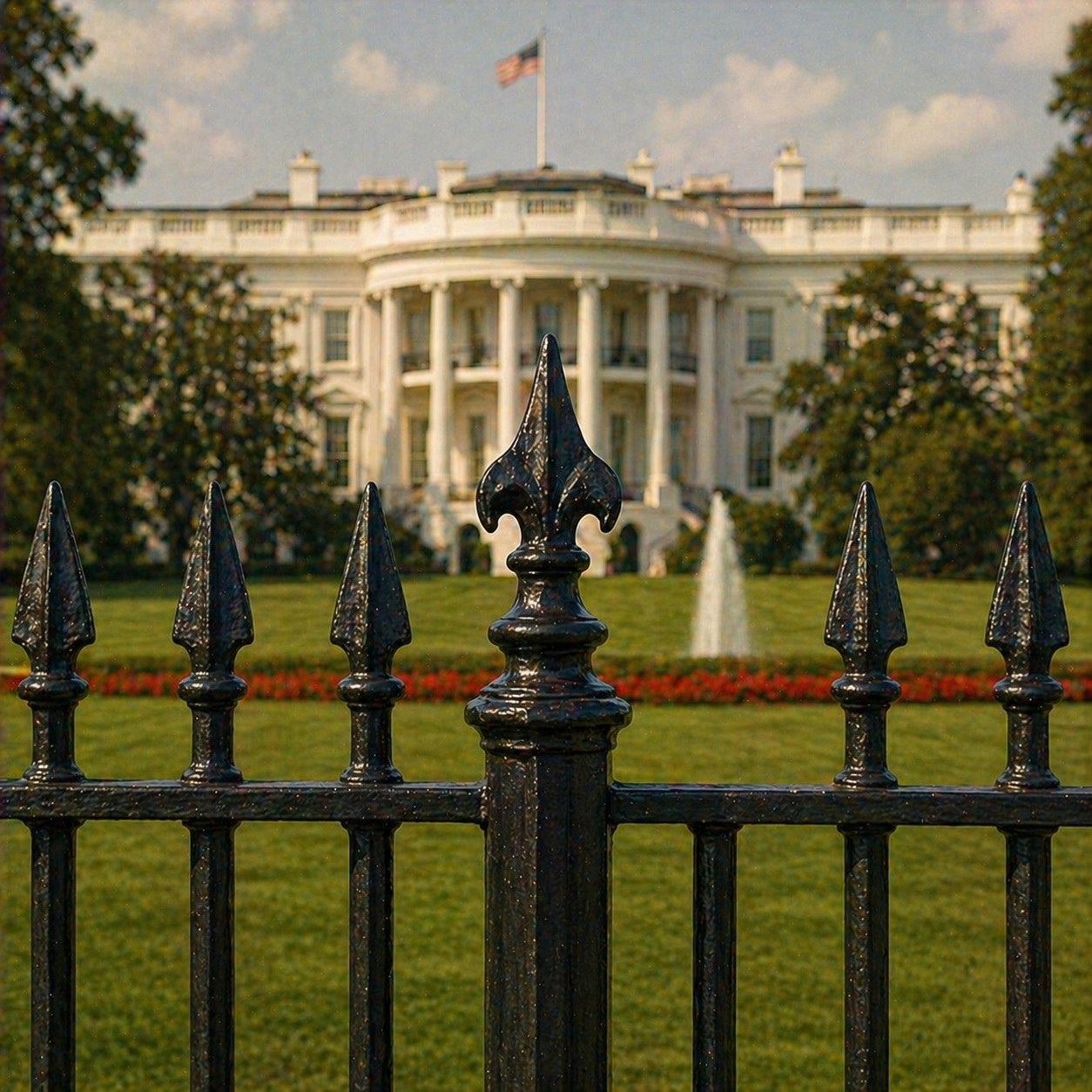
Attempted Assassination of Bill Clinton
Duran fired at the White House, believing Clinton was among men visible on the grounds.