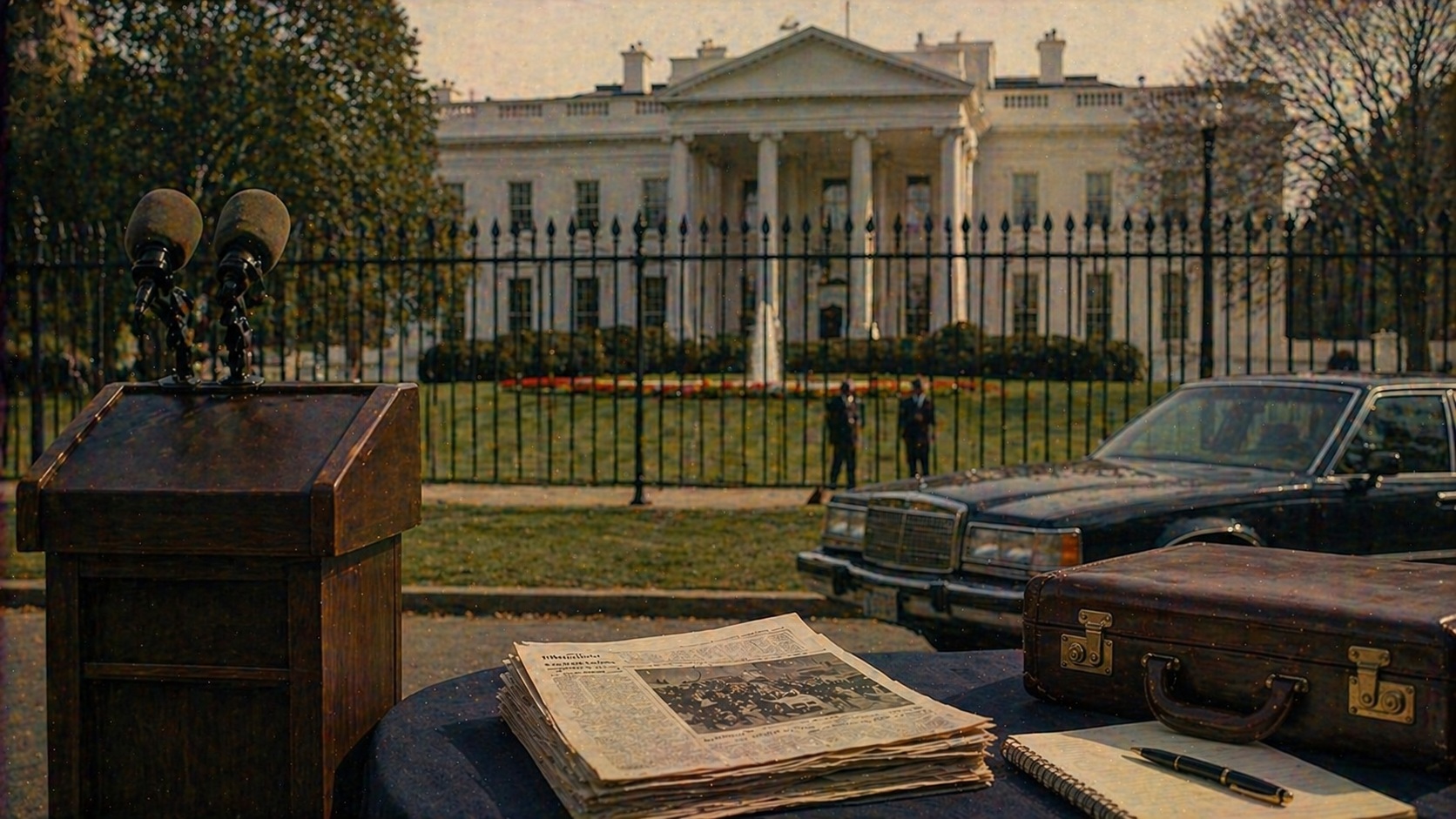
Attempted Assassination of Bill Clinton
Duran fired at the White House, believing Clinton was among men visible on the grounds.
Ask Dr. Whitmore about this eventBackground
At the time, Bill Clinton was listed as sitting president. The record is categorized as attempted assassination with a high confidence level.
Event details
The reported method was shooting. Failed; Clinton was inside the White House and unharmed.
Aftermath
Duran opened fire on the White House North Lawn fence with a semiautomatic assault rifle, spraying approximately 27 rounds before bystanders tackled and disarmed him; Clinton was inside watching a football game and was unharmed. Duran told investigators he had intended to kill the president and harbored a broader hatred of the federal government. He was tried in early 1995, convicted of attempted assassination, weapons charges, and other offenses, and sentenced to 40 years in federal prison. The attack intensified discussions about White House security and contributed directly to the decision to permanently close the two-block stretch of Pennsylvania Avenue in front of the White House to vehicle traffic in 1995. That closure remains in place today and reshaped pedestrian access to the heart of the nation's capital.
Historical significance
The Duran shooting had a concrete and lasting physical legacy: the permanent closure of Pennsylvania Avenue in front of the White House to vehicle traffic in May 1995, fundamentally changing the character of one of the most iconic streets in American civic life. That closure—the most dramatic change to White House accessibility since the building's construction—was also directly influenced by the Oklahoma City bombing that occurred the same month, but the Duran shooting was the immediate security catalyst. Today's White House perimeter, with its reinforced barriers and vehicle exclusion zones, is the direct descendant of the security rethinking triggered by the combined 1994 incidents. The case also contributed to ongoing debates about White House accessibility and whether the physical fortification of executive power comes at a democratic cost.
Sources
- White House shooting incident (1994) — Wikipedia contributors
- List of United States presidential assassination attempts and plots — Wikipedia contributors
Related events
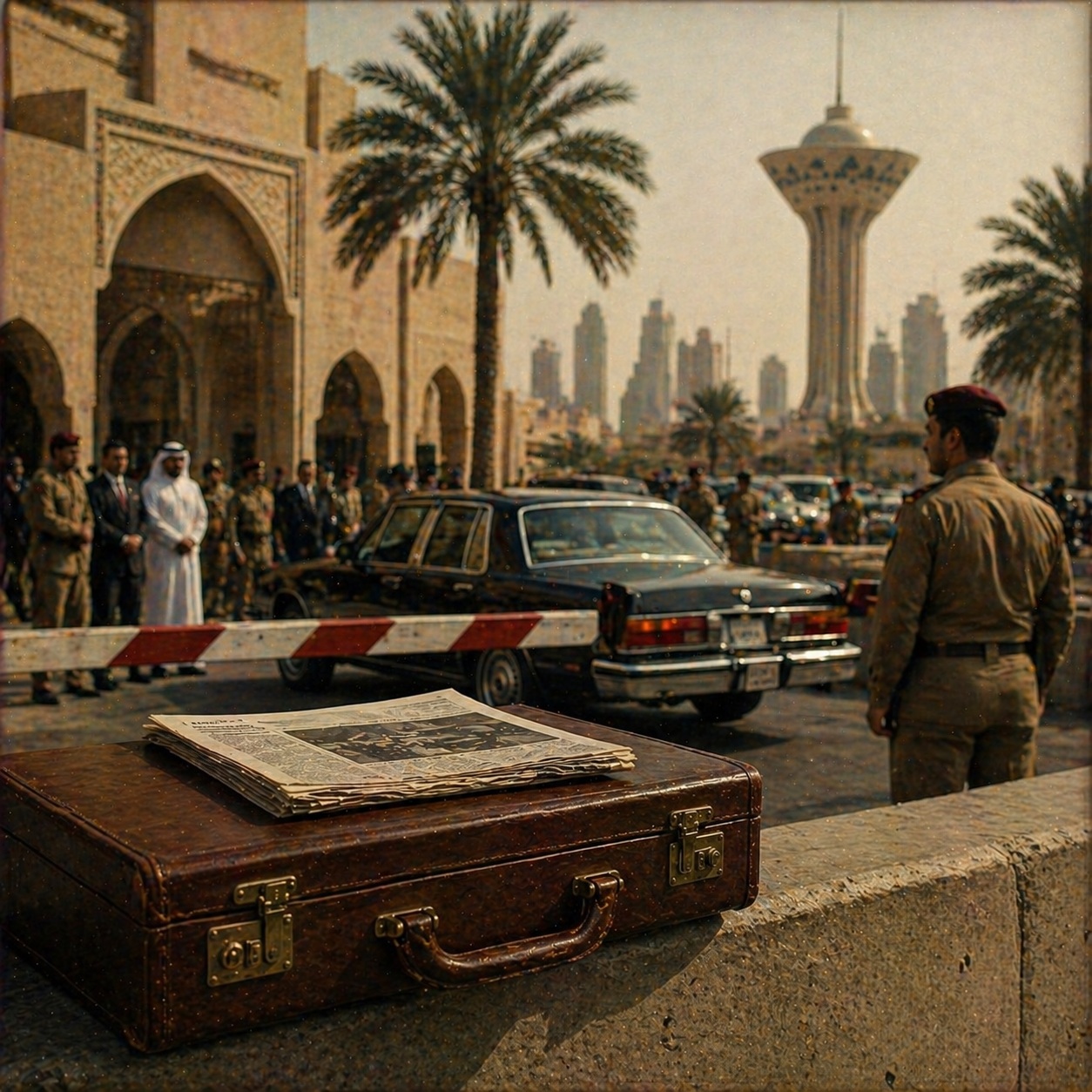
Plot Against George H. W. Bush
A plot to kill former President George H. W. Bush during a Kuwait visit was attributed by the U.S. to Iraqi intelligence.
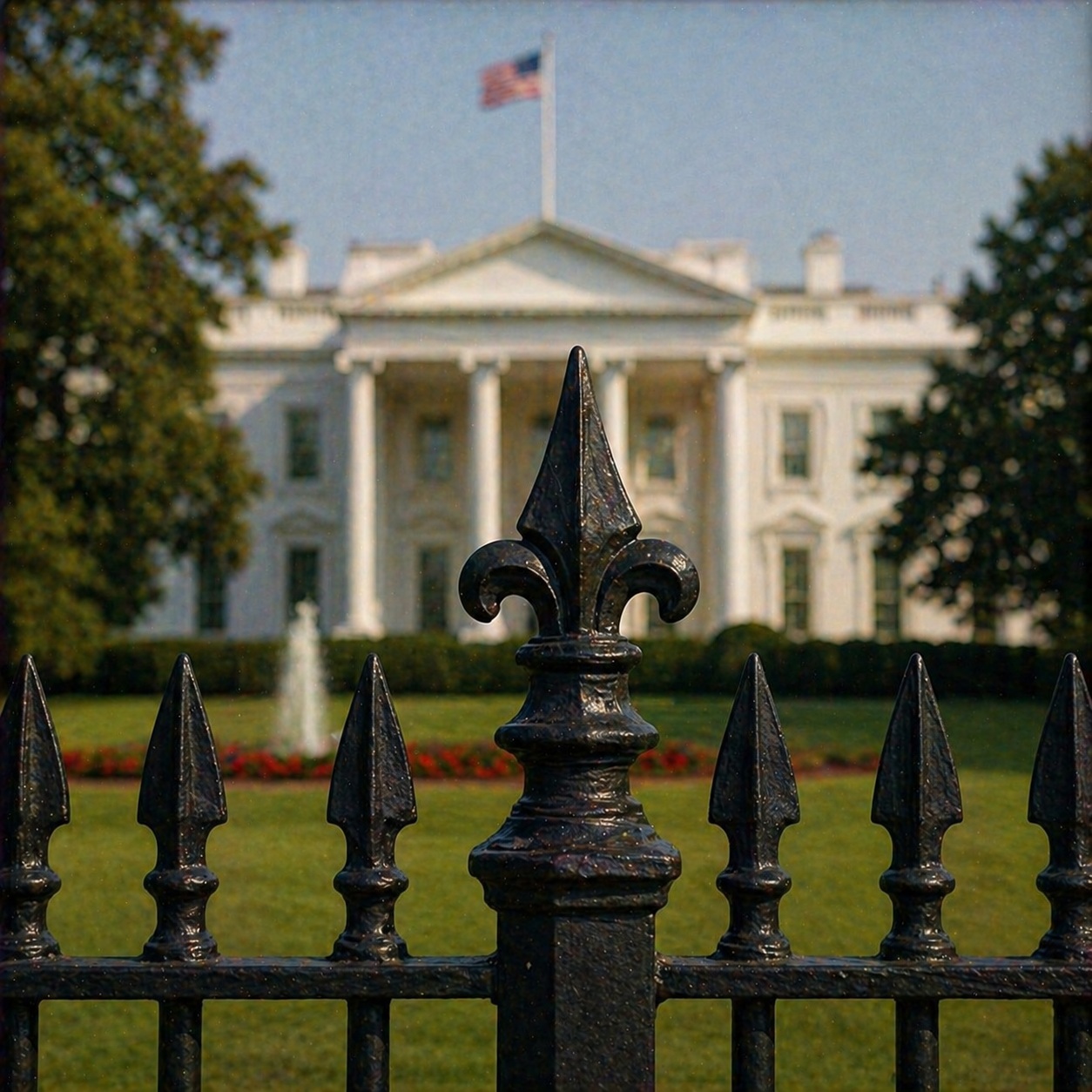
Security Incident Involving Bill Clinton
Corder crashed a small plane onto the White House grounds; his intent remains unclear.
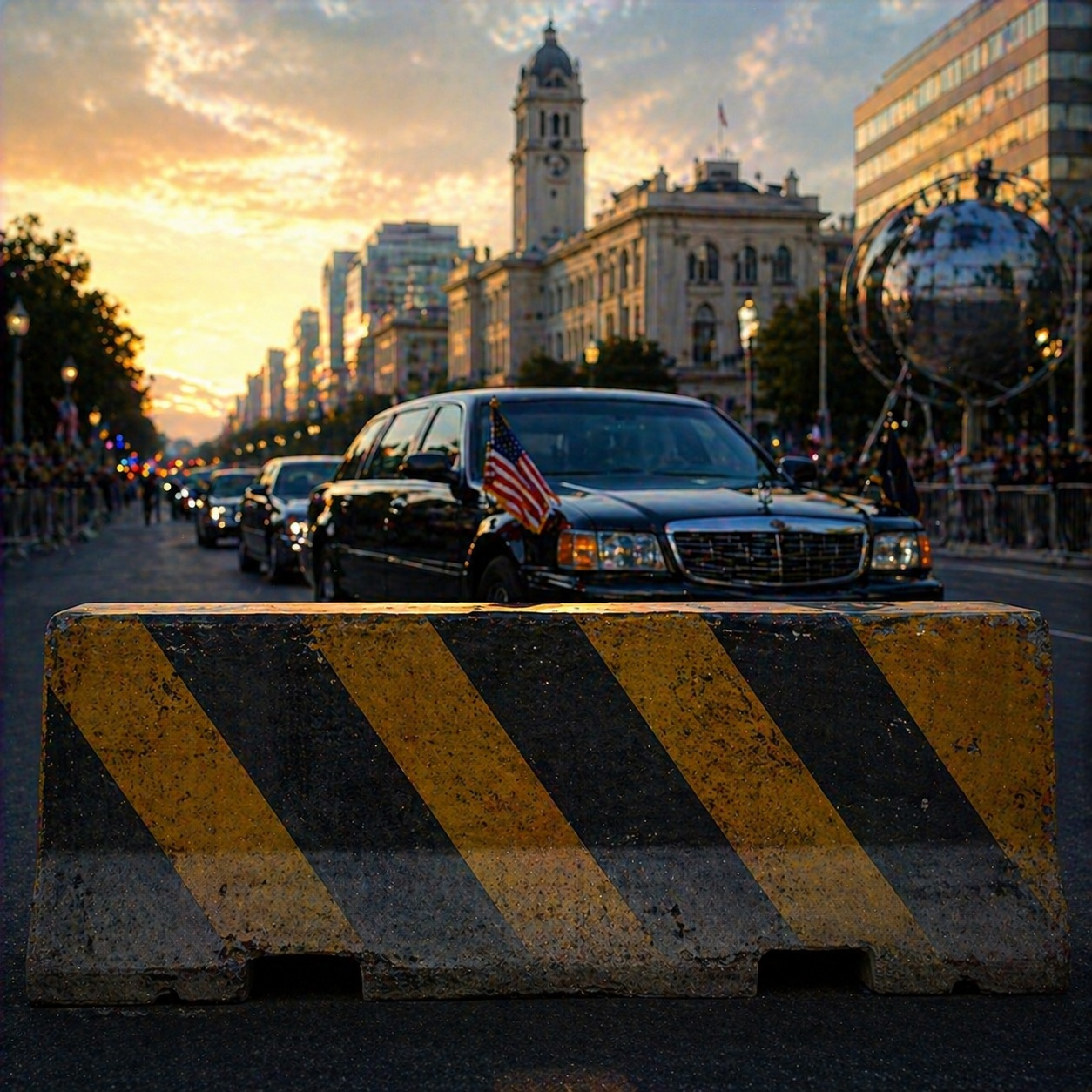
Plot Against Bill Clinton
A reported plot to bomb Clinton's route in Manila led to a route change.