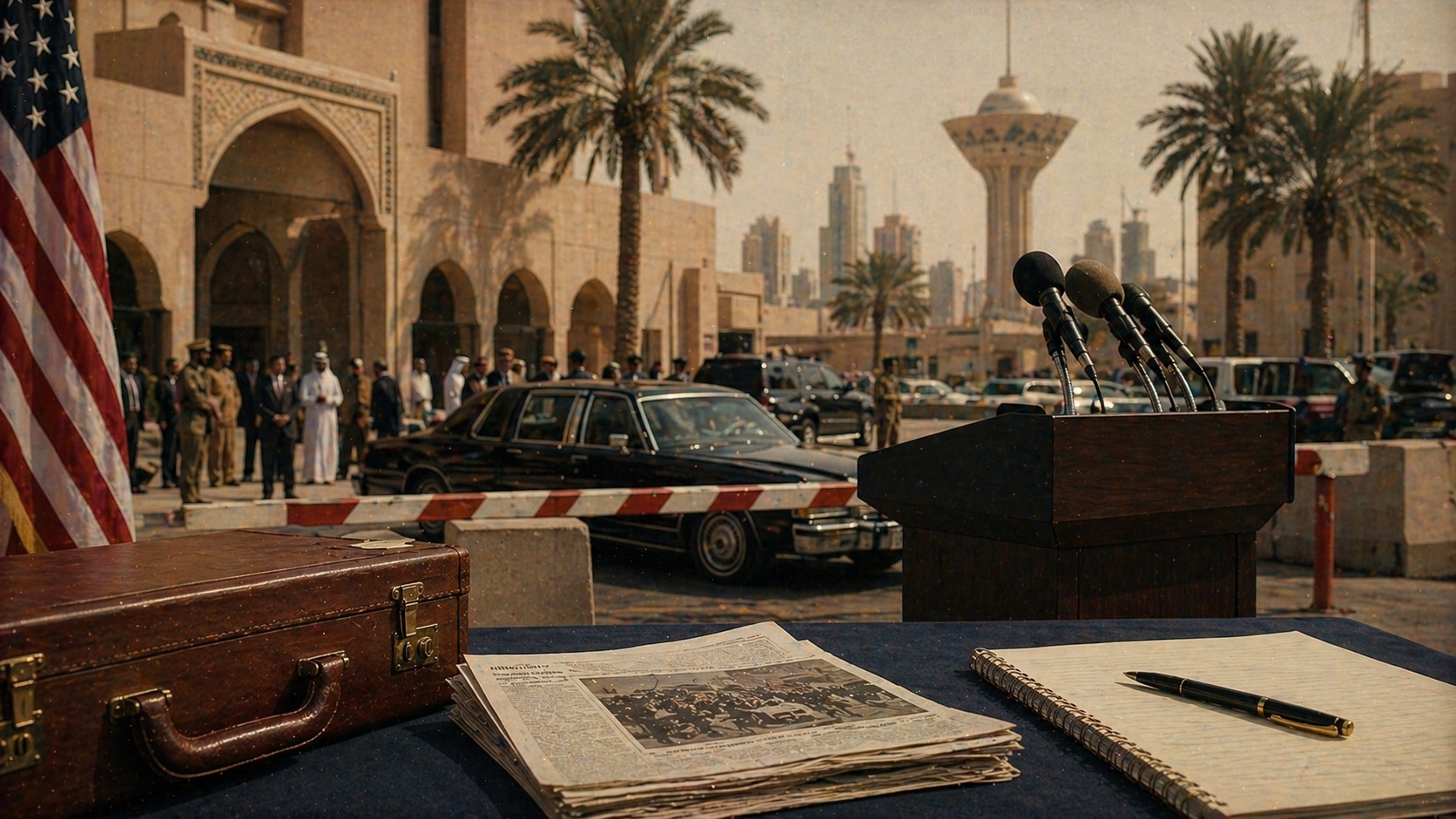
Plot Against George H. W. Bush
A plot to kill former President George H. W. Bush during a Kuwait visit was attributed by the U.S. to Iraqi intelligence.
Ask Dr. Whitmore about this eventBackground
At the time, George H. W. Bush was listed as former president. The record is categorized as foiled or abandoned plot with a high confidence level.
Event details
The reported method was car bomb plot. Foiled; suspects arrested in Kuwait.
Aftermath
Kuwaiti authorities arrested 17 suspects, including several Iraqis, who reportedly had transported a car bomb intended to kill Bush during his April victory tour. The Clinton administration publicly attributed the plot to Iraqi state intelligence after FBI forensic analysis linked the bomb's design to devices previously used by Iraqi operatives. In June 1993, President Clinton ordered cruise missile strikes on the Iraqi intelligence headquarters in Baghdad in retaliation—a strike that killed eight civilians. Iraq denied any involvement, and some independent analysts later questioned the evidentiary basis for the attribution. The suspects were tried in Kuwait, where several were convicted and sentenced to death or imprisonment; no prosecution was conducted in the United States.
Historical significance
The Kuwait plot represents one of the most consequential instances of suspected state-sponsored assassination in American history. The Clinton administration's attribution of the plot to Iraqi intelligence, and the retaliatory cruise missile strike on Baghdad's intelligence headquarters in June 1993, established a significant precedent: a state that attempts to assassinate a former American president can expect direct military retaliation. That principle has shaped American deterrence strategy ever since. The case also illustrated the evidentiary and attribution challenges in covert state-sponsored plots, as some independent analysts questioned the forensic basis for blaming Iraq—a controversy that gained new resonance after the Iraq War and debates about intelligence reliability in the 2000s.
Sources
- Attempted assassination of George H. W. Bush — Wikipedia contributors
- List of United States presidential assassination attempts and plots — Wikipedia contributors
Related events
Security Incident Involving Bill Clinton
Corder crashed a small plane onto the White House grounds; his intent remains unclear.
Attempted Assassination of Bill Clinton
Duran fired at the White House, believing Clinton was among men visible on the grounds.
Plot Against Bill Clinton
A reported plot to bomb Clinton's route in Manila led to a route change.