Plot Against Herbert Hoover
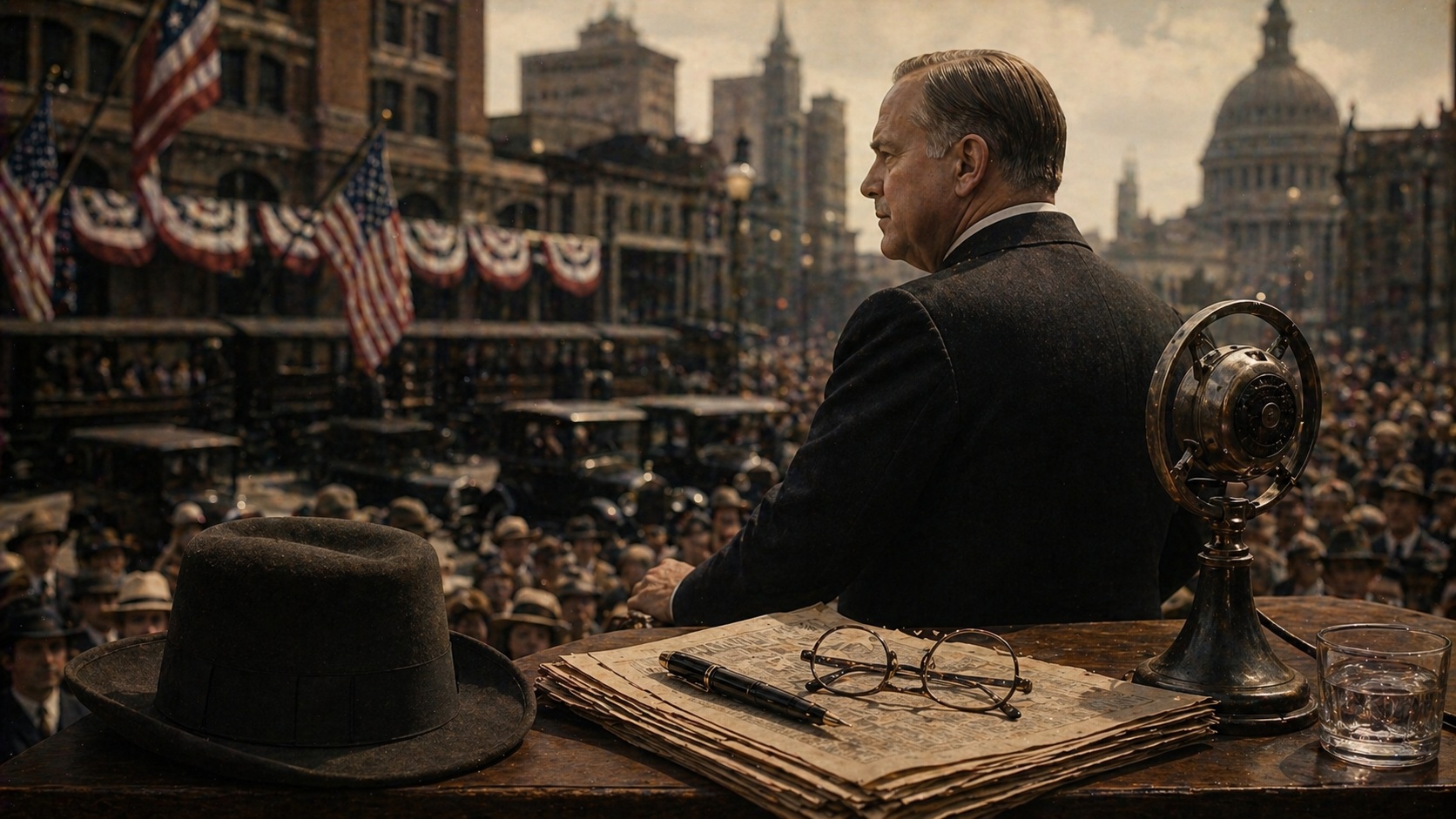
A reported anarchist bomb plot against President-elect Hoover was disrupted in Argentina.
Ask Dr. Whitmore about this eventDisputed elements
- details, intent, or credibility may be disputed; present with caution
Background
At the time, Herbert Hoover was listed as president-elect. The record is categorized as foiled or abandoned plot with a medium confidence level.
Event details
The reported method was bomb plot. Foiled before attack.
Aftermath
The alleged plot was discovered by Argentine and U.S. security officials during Hoover's post-election goodwill tour of Latin America in late 1928, and no attack occurred. Hoover completed his visit to Argentina without incident, and his tour was widely hailed as a diplomatic success. The alleged conspirators, described as Argentine anarchists, were reportedly detained by local authorities, though the specifics of any legal proceedings were not widely reported in the United States. The incident underscored the security challenges of what was the first major presidential-level international goodwill tour and the importance of coordinating with foreign governments. It remained a minor footnote in Hoover's biography and did not disrupt U.S.-Argentine relations.
Historical significance
The alleged plot against Hoover during his 1928 Latin American goodwill tour represents one of the few documented foreign-soil threats against an American president-elect and highlights the security vulnerabilities inherent in early 20th-century international presidential travel. The tour itself was historically significant as a post-election diplomatic initiative meant to improve hemispheric relations, making the security failure all the more alarming for its potential diplomatic fallout. The incident contributed to the gradual development of advance security protocols for overseas presidential travel, a framework that would be formalized more thoroughly in subsequent decades. It remains one of the lesser-studied episodes in presidential security history.
Sources
- Herbert Hoover — Good Will Tour of Latin America — Wikipedia contributors
- List of United States presidential assassination attempts and plots — Wikipedia contributors
Related events

Attempted Assassination of Franklin D. Roosevelt
Giuseppe Zangara fired at Roosevelt in Miami; Roosevelt survived, but Anton Cermak died.
Assassination of Huey Long
Senator Huey Long was shot at the Louisiana State Capitol by Dr. Carl Weiss; Long died two days later from his wounds.