
Security Incident Involving Barack Obama
Omar Gonzalez scaled the White House fence and entered the residence armed with a knife before being apprehended.
Ask Dr. Whitmore about this eventBackground
At the time, Barack Obama was listed as sitting president. The record is categorized as security breach with a high confidence level.
Event details
The reported method was fence jumping and physical intrusion. Failed; intruder breached the mansion but was tackled in the East Room.
Aftermath
Gonzalez, an Army veteran carrying a folding knife, scaled the North Fence, sprinted across the lawn, and pushed through the unlocked North Portico door, making it into the East Room before being tackled by an off-duty Secret Service agent. Obama had departed the White House by helicopter just minutes before the breach. Investigators found more than 800 rounds of ammunition and a hatchet in Gonzalez's car parked outside. He pleaded guilty to unlawful entry and carrying a deadly weapon and was sentenced to 17 months in federal prison. The incident triggered a major institutional scandal: Secret Service Director Julia Pierson resigned under congressional pressure, and subsequent hearings revealed systemic failures in White House perimeter security that led to sweeping agency reforms.
Historical significance
The 2014 White House fence-jumping incident triggered the most significant institutional crisis in the Secret Service's modern history and led directly to the resignation of Director Julia Pierson under congressional pressure—the first director to resign under such circumstances in decades. The independent panel's subsequent review found systemic leadership failures, inadequate training, and a cultural reluctance to report problems up the chain of command. The resulting reforms—physical barrier upgrades, staffing increases, revised protocols—represented the most comprehensive overhaul of White House perimeter security in the post-9/11 era. The incident also elevated public awareness of the agency's staffing and morale problems and led to lasting changes in how the Secret Service recruits, trains, and retains protective detail personnel.
Sources
- White House intruder (2014) — Wikipedia contributors
- List of United States presidential assassination attempts and plots — Wikipedia contributors
Related events
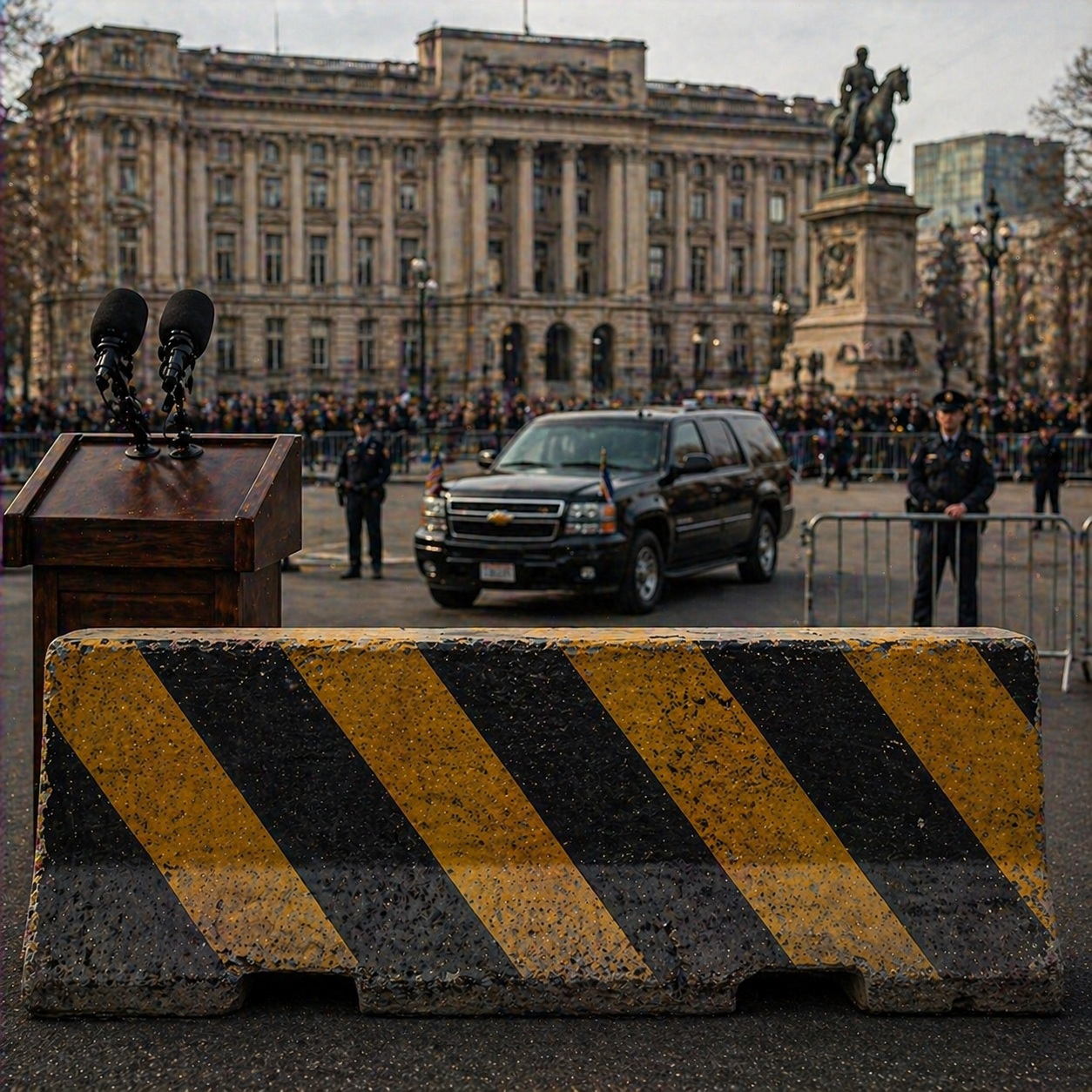
Attempted Assassination of George W. Bush
Arutyunian threw a grenade toward Bush and Georgian President Mikheil Saakashvili; it failed to explode.
Plot Against Barack Obama
Federal authorities disrupted a plot by two white supremacists to conduct a killing spree and assassinate candidate Barack Obama.
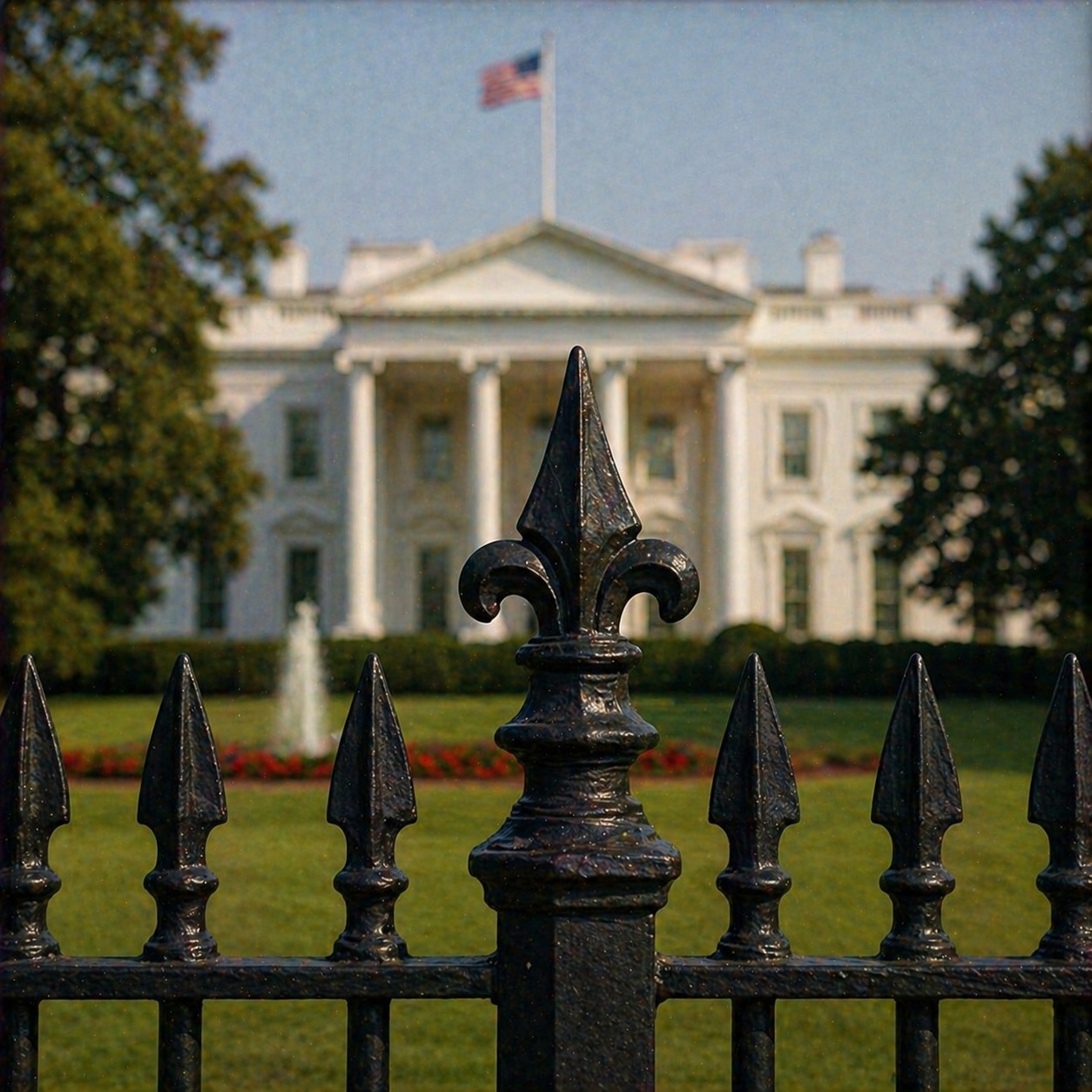
Attempted Assassination of Barack Obama
Ortega-Hernandez fired rifle rounds at the White House intending to target Obama.