Assassination of James A. Garfield
Garfield was shot by Charles Guiteau and later died after prolonged medical complications.
Ask Dr. Whitmore about this eventBackground
At the time, James A. Garfield was listed as sitting president. The record is categorized as successful assassination with a high confidence level.
Event details
The reported method was shooting. Successful; Garfield died on September 19, 1881.
Aftermath
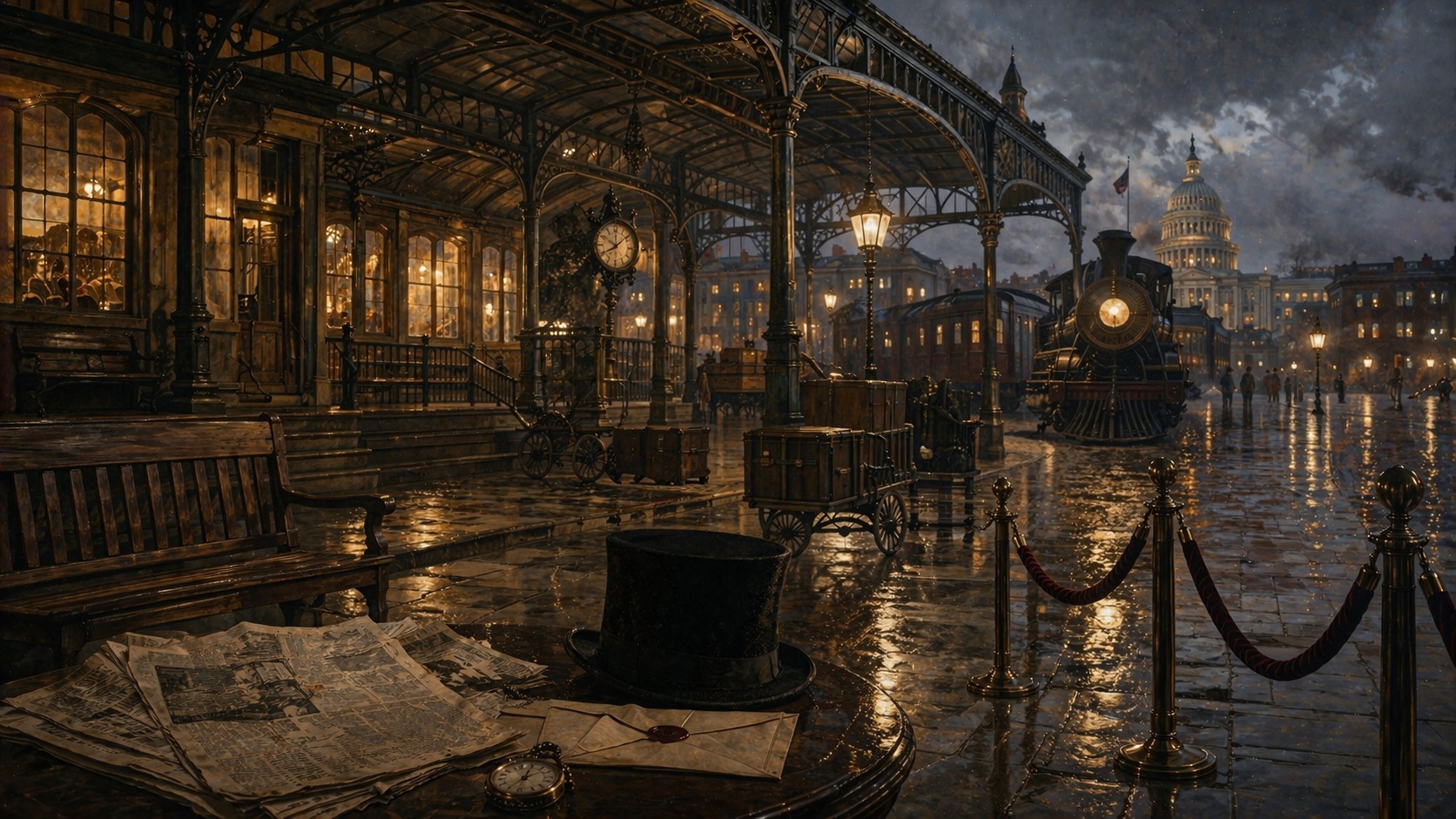
Garfield lingered for 79 days after being shot, dying on September 19, 1881; modern analysis suggests that poor medical care—including repeated probing of the wound with unsterilized instruments—contributed significantly to his death from infection and blood poisoning. Charles Guiteau was arrested at the train station immediately after firing and calmly announced that he had made Chester Arthur president. Guiteau stood trial in November 1881, argued an insanity defense, and was convicted in January 1882 after the jury rejected his claims. He was hanged on June 30, 1882, reportedly singing a hymn on the gallows. Public outrage over Garfield's death helped accelerate passage of the Pendleton Civil Service Reform Act of 1883, which curtailed the spoils system Guiteau had exploited.
Historical significance
Garfield's death was the direct catalyst for one of the most important pieces of American administrative law: the Pendleton Civil Service Reform Act of 1883, which dismantled the patronage spoils system that had dominated federal hiring since Andrew Jackson's era. By creating a merit-based civil service, the Act fundamentally changed the relationship between political power and federal employment and is considered the foundation of the modern professional bureaucracy. Garfield's prolonged 79-day death from infection—widely attributed today to negligent medical care rather than the bullet itself—also contributed to a revolution in American surgical practice, accelerating acceptance of antiseptic technique. The assassination elevated Chester Arthur, a Stalwart machine politician, who surprised nearly everyone by championing the reform act his predecessor's murder had inspired.
Sources
- Assassination of James A. Garfield — Wikipedia contributors
- Pendleton Civil Service Reform Act — Wikipedia contributors
- List of United States presidential assassination attempts and plots — Wikipedia contributors