Attempted Assassination of Donald Trump
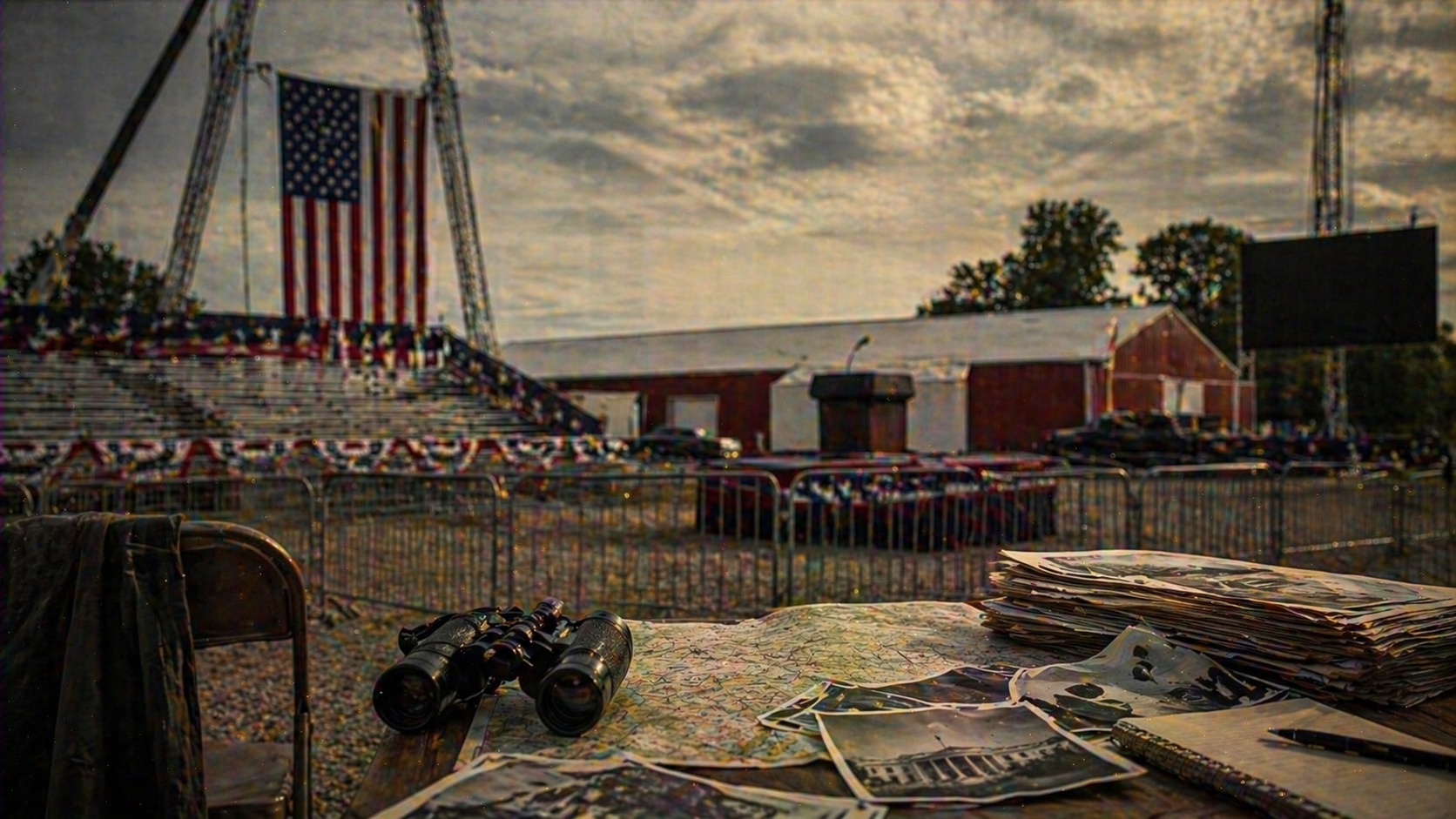
Crooks fired at Trump during a Pennsylvania rally, wounding Trump and killing a rally attendee before being killed by law enforcement.
Ask Dr. Whitmore about this eventBackground
At the time, Donald Trump was listed as former president; candidate. The record is categorized as attempted assassination with a high confidence level.
Event details
The reported method was shooting. Failed; Trump was wounded, one attendee was killed, and the shooter was killed.
Aftermath
Trump was grazed by a bullet that passed through the upper part of his right ear; he was briefly taken offstage, returned to raise his fist to the crowd, and was evacuated to a local hospital before being released. Rallygoer Corey Comperatore was killed when he shielded his family from the gunfire; two other attendees suffered critical wounds. Crooks, a 20-year-old from western Pennsylvania, had positioned himself on a rooftop approximately 130 meters from the stage; he was shot and killed by Secret Service counter-snipers seconds after opening fire. A bipartisan congressional investigation and a Secret Service internal review identified serious security failures, including poor communication and an inexplicable failure to secure the rooftop Crooks used. Secret Service Director Kimberly Cheatle resigned under pressure, and the incident triggered sweeping reviews of presidential protective protocols and renewed calls for major reform of the agency.
Historical significance
The Butler assassination attempt was the most serious attack on a president or major candidate since John Hinckley shot Ronald Reagan in 1981 and the most deadly since the RFK assassination in terms of bystander fatalities at the scene. The failure to secure the rooftop from which Thomas Crooks fired—a structure that had been flagged by law enforcement personnel as a potential concern—became the defining symbol of a cascading Secret Service institutional failure. Director Kimberly Cheatle's resignation, the bipartisan Senate committee investigation, and the subsequent overhaul of protective protocols represented the most significant accountability moment for the agency since the 2014 fence-jumping. The attack also intensified the national debate about political violence, the safety of democratic electoral processes, and whether deeply polarized political rhetoric creates conditions that enable political violence.
Sources
- Assassination attempt on Donald Trump in Butler, Pennsylvania — Wikipedia contributors
- Senate Homeland Security Committee Report on the Butler Assassination Attempt — U.S. Senate Committee on Homeland Security and Governmental Affairs
- List of United States presidential assassination attempts and plots — Wikipedia contributors
Related events
Attempted Assassination of Donald Trump
Routh was found with a rifle near Trump's golf course and was later convicted of attempting to assassinate Trump.
Attempted Assassination of Donald Trump
Leingang stole a forklift and intended to use it against Trump's motorcade.
Attempted Assassination of Barack Obama
A pipe-bomb package addressed to Obama was intercepted during a broader mail-bomb campaign.