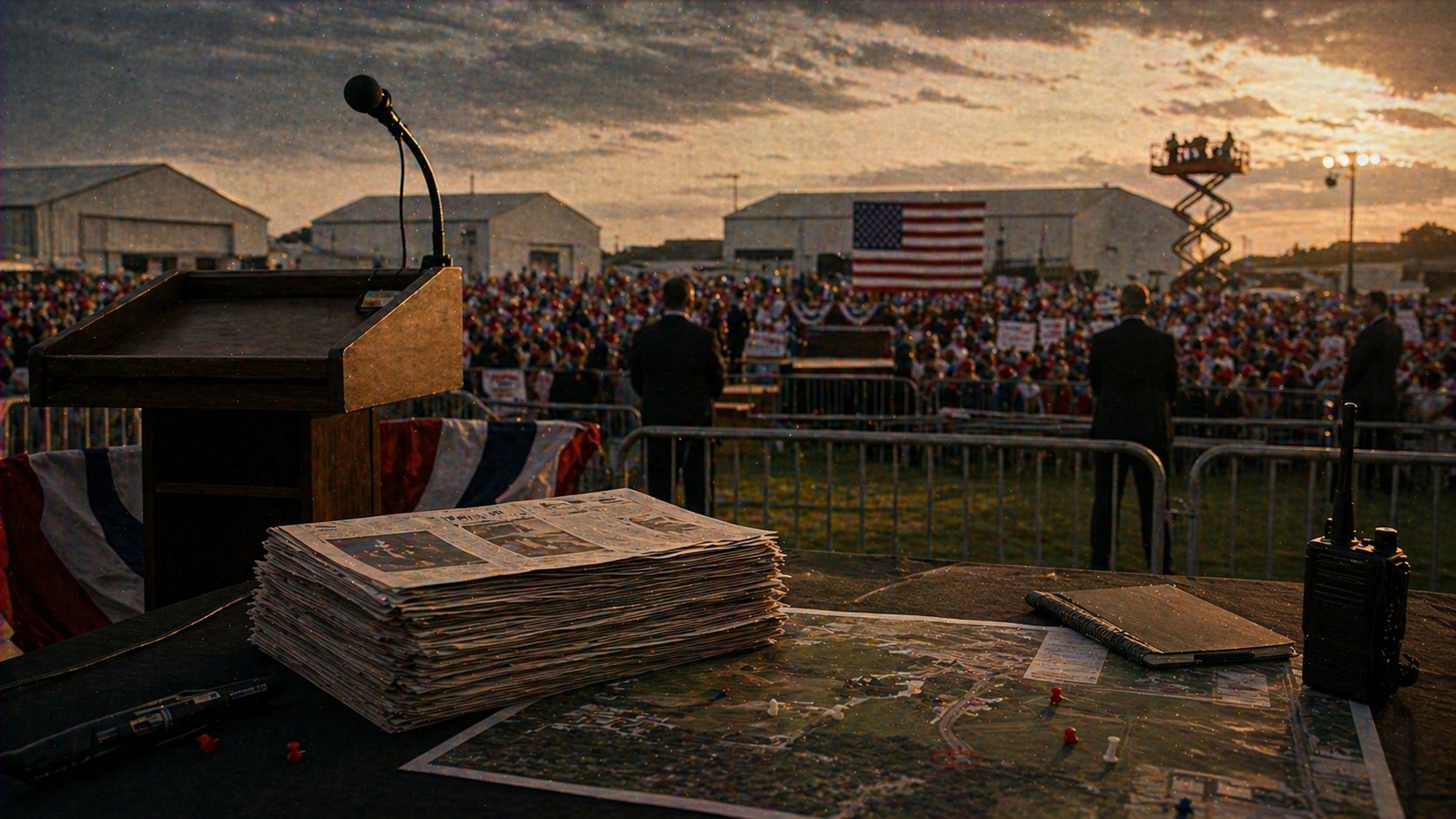
Attempted Assassination of Donald Trump
Sandford tried to grab a police officer's gun at a Trump rally, later stating he intended to kill Trump.
Ask Dr. Whitmore about this eventBackground
At the time, Donald Trump was listed as candidate. The record is categorized as attempted assassination with a high confidence level.
Event details
The reported method was attempt to seize firearm. Failed; assailant was subdued after trying to take an officer's gun.
Aftermath
Sandford, a British citizen, attended Trump's campaign rally in Las Vegas and attempted to grab the sidearm of a police officer stationed near the stage in order to shoot Trump; he was subdued before he could get hold of the weapon. Trump was not harmed; he was briefly escorted offstage before the event concluded. Sandford was arrested and subsequently pleaded guilty to engaging in an act of violence in a restricted area. He was sentenced to 12 months in federal prison and deported to the United Kingdom upon release, having served the full term. He later told interviewers he had been suffering from severe mental illness, including an autism spectrum disorder and an eating disorder, and expressed remorse for the act.
Historical significance
The Sandford case highlighted a vulnerability that had received insufficient attention: the ease with which a foreign national with a serious, untreated mental illness could gain access to a large American political rally, attempt to obtain a weapon, and come within a single act of potential catastrophe. The incident contributed to post-2016 reviews of screening at campaign events and raised questions about whether individuals on law enforcement radar for concerning behavior were being adequately monitored. Sandford's account of his mental illness and the circumstances of his radicalization toward violence also made the case a reference point in subsequent studies of mental health, security risk, and political event access.
Sources
- Michael Sandford (attempted assassin) — Wikipedia contributors
- List of United States presidential assassination attempts and plots — Wikipedia contributors
Related events
Attempted Assassination of George W. Bush
Arutyunian threw a grenade toward Bush and Georgian President Mikheil Saakashvili; it failed to explode.
Plot Against Barack Obama
Federal authorities disrupted a plot by two white supremacists to conduct a killing spree and assassinate candidate Barack Obama.
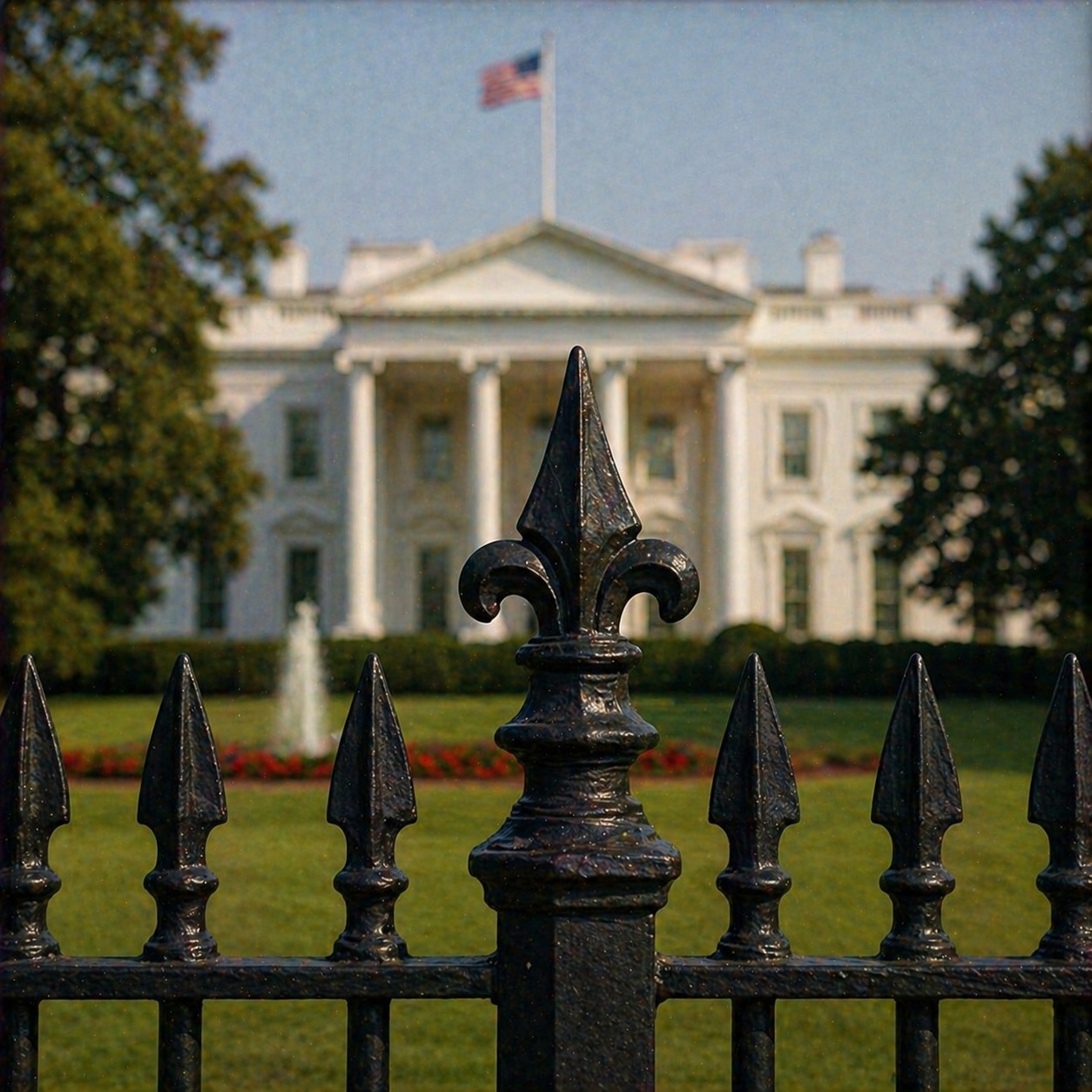
Attempted Assassination of Barack Obama
Ortega-Hernandez fired rifle rounds at the White House intending to target Obama.